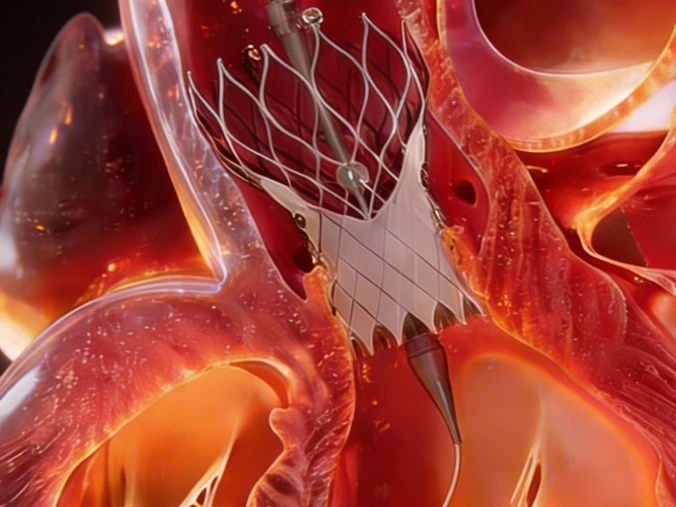
TAVI is a minimally invasive procedure designed to replace a severely narrowed aortic valve without traditional open-heart surgery. Instead of opening the chest, a new valve is delivered through a catheter which is commonly inserted through an artery in the groin and positioned within the diseased valve.
This technique is particularly beneficial for older patients or those considered high risk for conventional surgery. Because it avoids a large chest incision, recovery is typically faster; hospital stays are shorter, and physical stress is reduced.
However, TAVI is not automatically the best option for every patient. Factors such as age, valve anatomy, calcification pattern, and expected long-term durability must be carefully assessed. In younger or lower-risk individuals, surgical valve replacement may still provide more durable outcomes.
Comprehensive evaluation by a multidisciplinary heart team ensures that the selected approach balances safety, durability, and long-term benefit. After TAVI, patients undergo regular monitoring to confirm stable valve function and sustained cardiac performance.