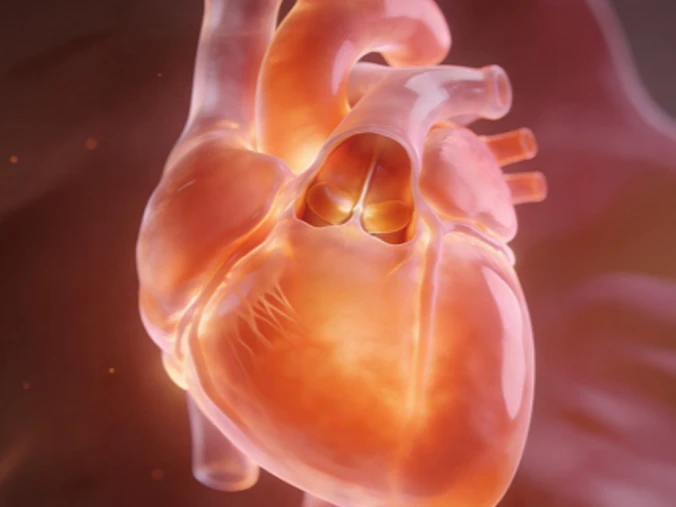
When a heart valve does not function properly, surgery may be required to restore normal blood flow. Whenever possible, valve repair is preferred. Repair preserves the patient’s natural valve structure, maintains more natural heart mechanics, and often reduces the need for lifelong medication. It is especially beneficial in mitral and certain tricuspid valve conditions.
However, if the valve is severely damaged, calcified, or structurally unsuitable for repair, replacement becomes necessary. In such cases, the diseased valve is replaced with either a mechanical valve or a biological (tissue) valve. The choice depends on age, lifestyle, medical history, and long-term durability expectations.
Timing is critical for valve disease. Operating too late can lead to irreversible weakening of the heart muscle. The aim is to intervene at the optimal stage when surgery can restore function while minimizing long-term risk.
Post-surgery, patients are closely monitored for valve performance and heart recovery. Regular follow-up, medication management where required, and imaging assessments ensure sustained improvement and stable heart function for years ahead.