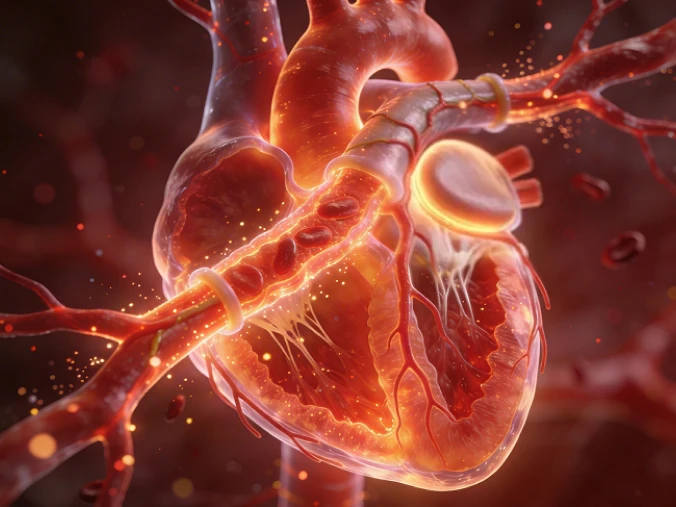
Coronary Artery Bypass Grafting (CABG) is performed when blockages are extensive, involve multiple vessels, or are not suitable for stenting. Instead of removing the blockage, the surgeon creates new pathways for blood flow using healthy blood vessels taken from the chest wall, arm, or leg. These grafts reroute blood around narrowed segments, ensuring the heart muscle receives adequate oxygen supply.
CABG is often recommended for patients with complex coronary disease, diabetes-related vessel involvement, or reduced heart pumping strength. The decision is based on detailed angiographic findings, heart function tests, and long-term outcome considerations. In many cases, bypass surgery offers more durable results compared to repeated stenting.
The procedure is carefully planned to preserve heart muscle function and minimize surgical risk. Advanced monitoring techniques and structured operative planning improve safety and precision.
Recovery typically involves a short stay in intensive care followed by monitored hospital recovery. Cardiac rehabilitation, lifestyle modification, and medication optimization play an essential role in ensuring long-term success. The ultimate objective is sustaining blood flow, improved stamina, and meaningful reduction in future cardiac risk.