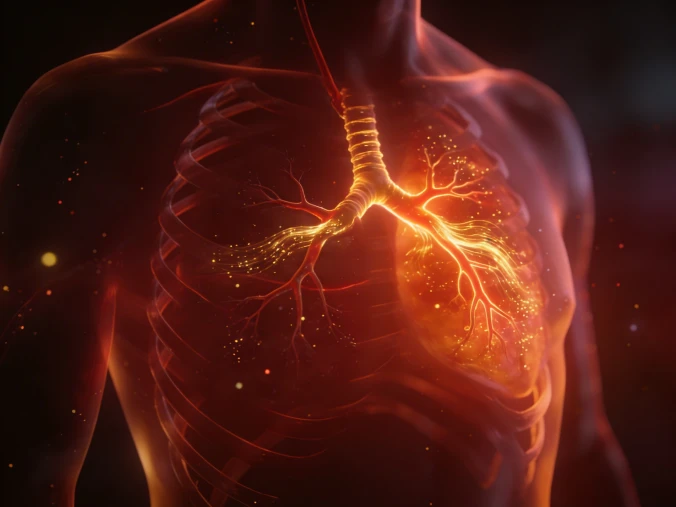
Lung transplantation is performed for patients with advanced, irreversible lung disease who continue to experience severe symptoms despite optimal medical management. In this procedure, one or both diseased lungs are replaced with healthy donor lungs to restore breathing capacity.
Patient selection is highly structured, involving pulmonary specialists, transplant coordinators, and surgical evaluation. Success depends not only on surgical precision but also on coordinated pre-operative preparation and long-term post-operative care.
After surgery, patients require intensive monitoring, immunosuppressive therapy to prevent rejection, and pulmonary rehabilitation to regain strength. Lifelong follow-up ensures early detection of complications and maintenance of lung function.
When appropriately indicated, lung transplantation can significantly improve independence, exercise tolerance, and overall daily functioning.