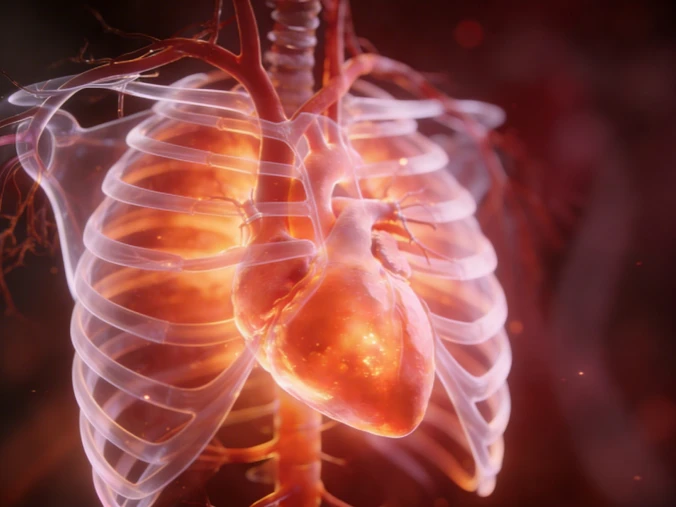
Heart transplantation is considered when severe heart failure no longer responds to medication or conventional surgery. In this procedure, the diseased heart is replaced with a healthy donor heart, offering patients a renewed chance at improved quality of life and long-term survival.
Successful transplantation requires careful patient selection, precise timing, and coordinated multidisciplinary planning. Not every patient with heart failure qualifies for transplant; detailed evaluation ensures that the procedure offers meaningful benefit and sustainable outcomes.
The surgery itself is highly specialized and demands meticulous intraoperative management. Post-operatively, patients require close monitoring in intensive care, followed by structured rehabilitation. Lifelong immunosuppressive medication is necessary to prevent rejection of the donor heart.
Long-term follow-up is an essential part of transplant care. Regular assessments, medication management, infection prevention, and lifestyle guidance all contribute to durable results. When appropriately indicated and carefully executed, heart transplantation can restore functional capacity and allow patients to return to active daily life.