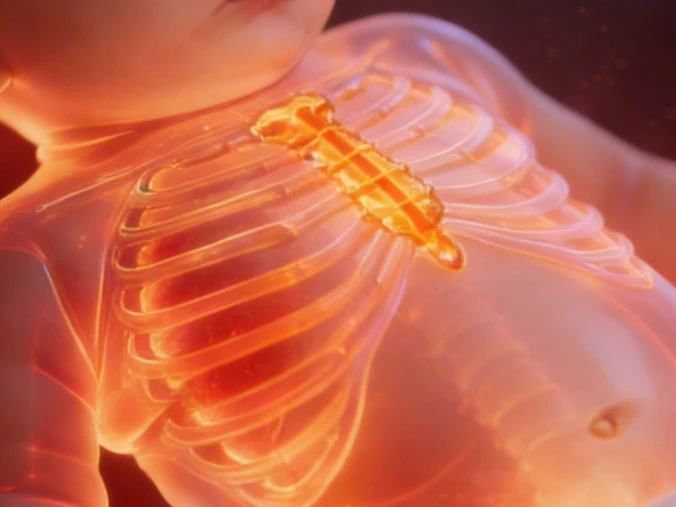
Congenital heart disease refers to structural abnormalities of the heart that are present from birth. Some conditions are diagnosed in infancy or childhood, while others may remain undetected until adolescence or adulthood. In certain cases, patients who underwent corrective surgery earlier in life may require further procedures later on.
Management of congenital heart defects requires careful anatomical assessment and individualized surgical planning. Each defect is unique — involving variations in chambers, valves, blood vessels, or circulation pathways. The goal of surgery is to restore efficient blood flow, reduce strain on the heart, and support long-term cardiovascular function.
Timing of intervention is critical. Surgery is planned to maximize benefit while minimizing surgical risk and protecting heart development. In adults with congenital heart disease, special consideration is given to previous repairs and long-term structural changes.
Post-operative care includes close monitoring of heart performance, medications when necessary, and structured long-term follow-up. Many patients go on to lead active, fulfilling lives after successful corrections. The emphasis remains on durability, safety, and preserving heart function over decades.