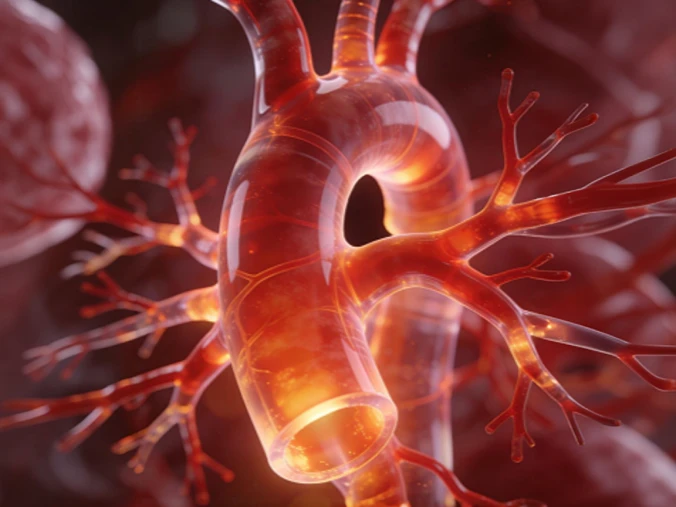
The aorta is the body’s main artery, carrying blood from the heart to every organ. Conditions such as aneurysms (abnormal enlargement) or dissections (tears in the vessel wall) can become life-threatening if not addressed in time.
Aortic surgery is among the most complex areas of cardiovascular care. It requires detailed imaging analysis, careful timing of intervention, and precise intraoperative control. The objective is to prevent rupture or progression while preserving as many natural vascular functions as possible.
Depending on the location and severity of disease, surgery may involve replacing a segment of the aorta with a synthetic graft or reconstructing affected portions to restore structural stability. These procedures demand coordinated operating room strategy and advanced monitoring techniques.
Recovery involves structured cardiovascular follow-up, blood pressure control, and long-term imaging surveillance to ensure stability. When performed at the appropriate stage, aortic surgery provides durable protection and restores confidence in long-term vascular health.